Old House Plumbing in Geebung
The housing stock here went up mostly between the 1940s and the 1960s. Old house plumbing in Geebung usually means weatherboard and fibro homes on stumps, with supply lines, drains and gas runs that have been in place a long time.
If we're late, $100 comes off your bill

- Licensed and InsuredEvery job done by a licensed plumber. QBCC No: 15024607
- Fixed Quote FirstFlat-rate pricing, agreed before any work starts
- Lifetime Labour WarrantyBacked by our Fix-It-or-It's-Free guarantee (T&Cs apply)
- $0 Call-Out FeesNo extra charge for nights, weekends or public holidays

We work across Geebung and the suburbs around it, and every job is done by a licensed plumber who knows what these houses hide. This page covers where the pipes sit, how old gas and galvanised lines behave, and what the renovation rules ask of you.
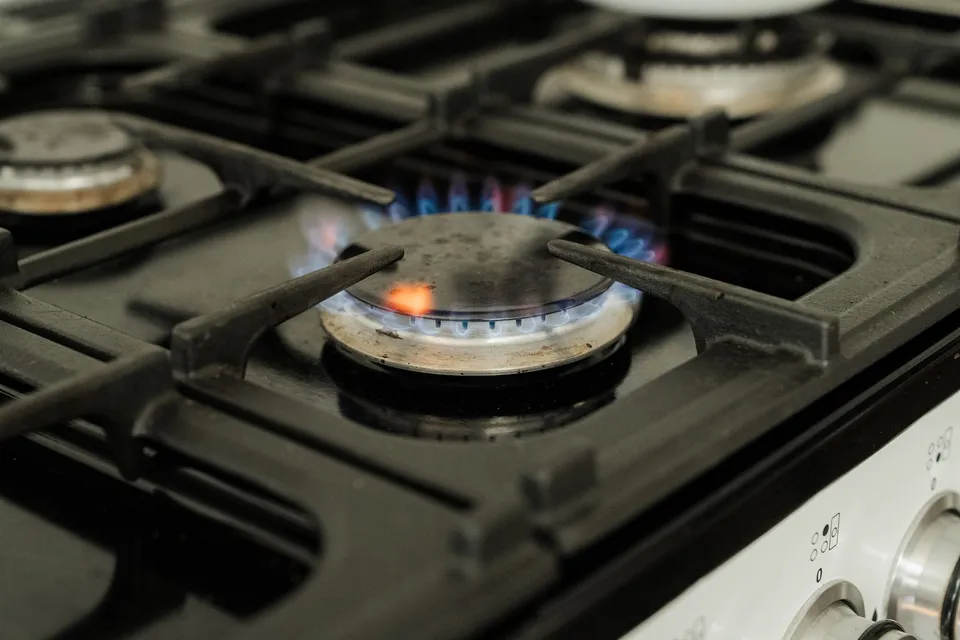
What Runs Beneath and Behind an Older Floor
A stumped house runs its water, waste and gas pipework beneath the floor where you can see it; a slab house hides it in the slab or the walls.
That difference matters when something goes wrong. Under a timber floor you can look for trouble without pulling anything apart. Under a slab, getting to the same pipe means opening up floors or walls.
The signs that show without opening anything:
- wet or soft soil beneath a pipe run
- drips at the joints
- rust marks on pipes and their fittings
- damp or stained timber around the bearers
- a musty smell beneath the house
Any of these can be traced back to the source before anyone cuts anything open; our leak detection page steps through how we trace each one.
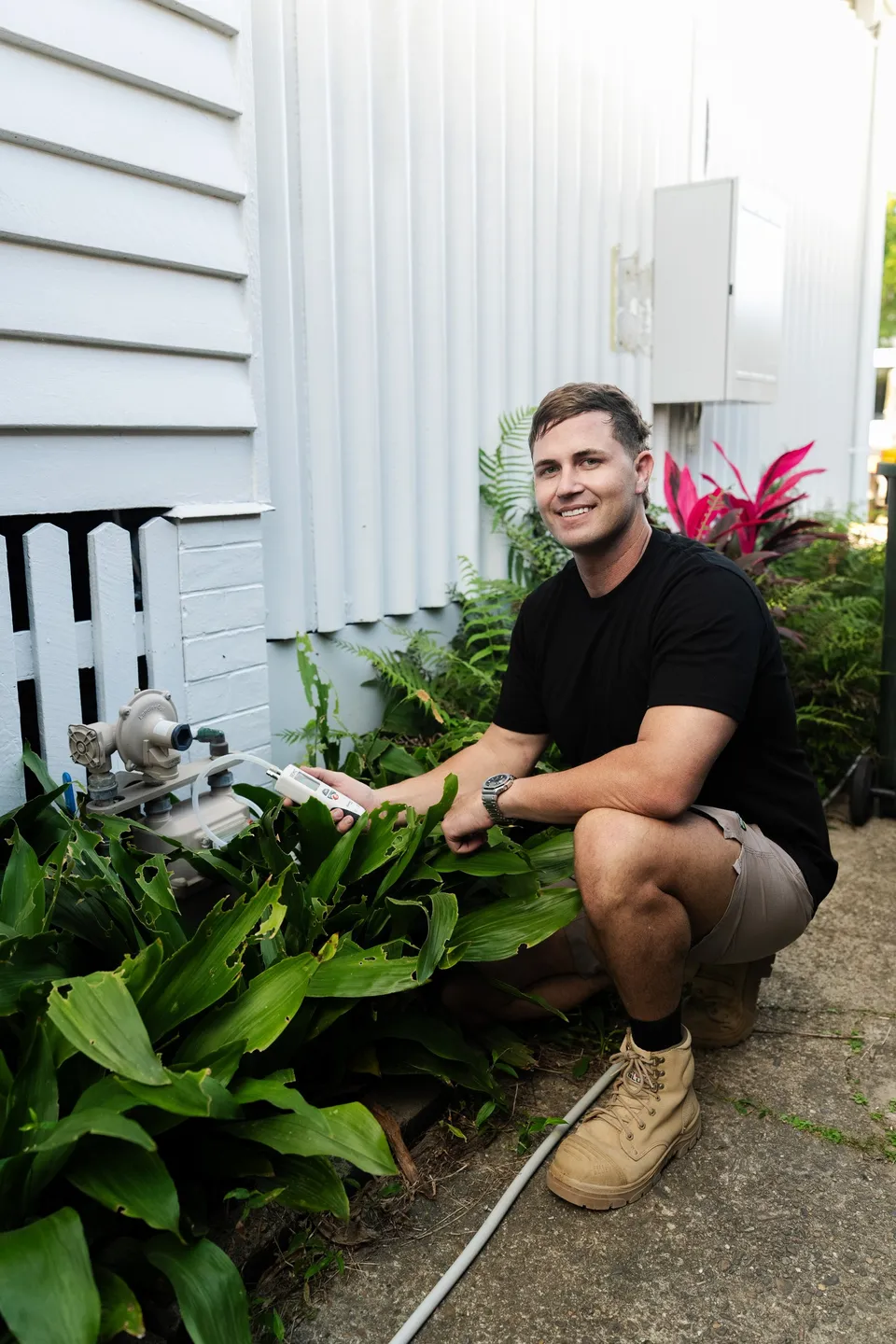
When Old Gas Pipework Needs a Gasfitter
Queensland law reserves gas work to licensed gasfitters, who install, alter, repair, service, test and certify gas systems and pipework. Queensland Government guidance asks owners to check their systems often for corrosion, deterioration and damage, and to keep combustible materials away from appliances.
A gas worker who finds a safety concern has to hand the owner a defect notice unless the fault is fixed on the spot. That notice sets out what is wrong and what needs doing.
Smell gas? Turn the appliance off, let fresh air through the doors and windows, and keep away from electrical switches. If the smell lingers, close the gas at the meter or cylinder and phone us. Call 000 if it still will not clear.
Galvanised Pipes and the Signs They Are Failing
Galvanised pipe is steel with a zinc coat; when the coat wears through, the steel rusts from within, discolouring water, choking flow and causing leaks.
The signs usually arrive together:
- rusty or brown water from the taps
- flow that has weakened at several taps, not just one
- leaks that recur on the same run of pipe
One date worth knowing: lead-based solder on copper pipes and brass fittings was common across Australia until 1989. That makes the joints an age marker in any pre-1989 plumbing.
We confirm on site what the pipe is made of and what state it is in. If a full replacement looks likely, our repiping page sets out what that involves.
Which Renovations Count as Notifiable Work
Nearly all plumbing renovations in an existing house count as notifiable work: a licensed plumber carries them out without a council permit and registers a Form 4 with the QBCC.
The Regulation treats a building as existing once it has drainage and a water supply, which takes in nearly every older home here. Kitchen and bathroom renovations, and new or relocated fixtures such as toilets, showers and sinks, all sit in the notifiable category.
Three triggers change the rules:
- if the property shares a combined drain with another premises, or draws from a dual reticulated supply, the job becomes permit work and the plumber applies to the council first
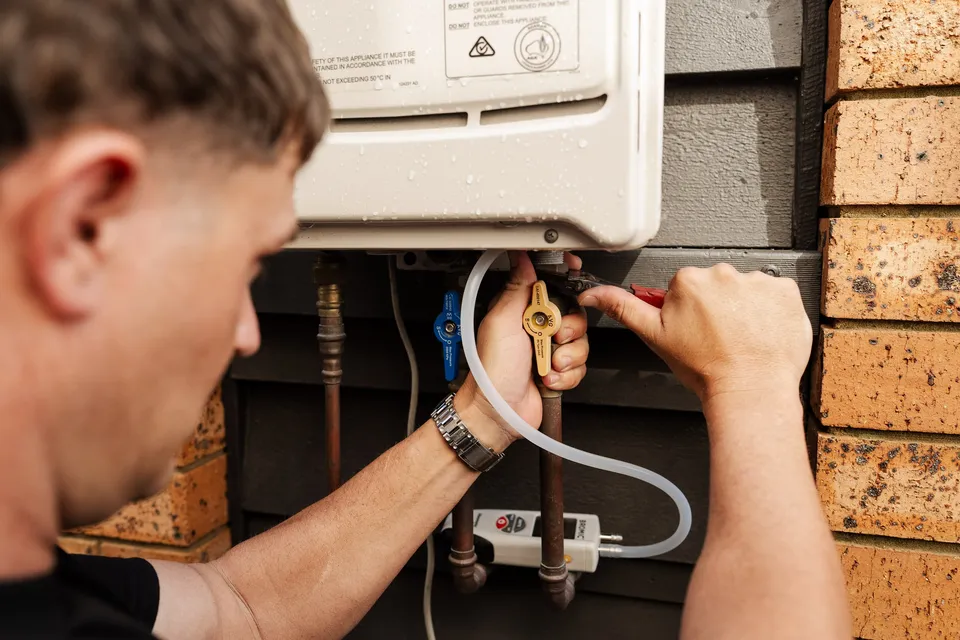
- any new or replacement water heater needs a temperature control device, capping tap water at 50°C, and fitting one is notifiable work
- most homes built before 1990 contain some asbestos, so renovating one takes extra precautions and may cost more
A new hygiene fixture like a shower calls for a temperature control device too, while swapping a tap washer or a shower head does not.
A permit stays with the property it covers, so it binds the owner, later owners and any occupier. A permit issued decades ago still applies today.
Postwar Houses and Duplex Clay Soils
Most of Geebung's housing dates from the postwar decades, built in weatherboard and fibro, with a scattering of pre-1947 cottages near Copperfield and Innes Streets by the station.
Those postwar streets have a particular plumbing story. Brisbane was largely unsewered in 1961, so many houses began on septic tanks and were joined to the sewer later with earthenware branch drains. The duplex clay soils under these streets swell and shrink with the seasons, and that movement cracks the short sockets and rigid joints of those old lines.
Dry-spell root growth adds to it, as fine roots follow moisture into the opened joints. Unrenovated 1950s houses can also still run their original galvanised supply lines, which fur up inside and cut flow to the shower and laundry long before they leak. Banging pipework is a different fault; our water hammer repairs page covers it.
How We Work on Older Homes
- 1

Tell us what's happening
Call (07) 3523 7172 or send the form with a few details about the problem in Geebung. A clear description helps us bring the right parts.
- 2

We look under the floor and at the lines
We lift the hatch, check what the supply and waste lines are made of, test flow at a few taps, and look for the staining old pipework leaves behind.
- 3
Approve a fixed price
You get a fixed quote before any work starts, with flat-rate pricing and no hidden fees. Nothing goes ahead until you say yes.
- 4

Pay when it's finished
Pay by card or EFTPOS on site once the job's done, or ask about Fix now, pay later.
Plumbing job in Geebung?
$0 call-out fees, available 24/7, and same-day where we can.
Older Home Plumbing Questions From Geebung
Call (07) 3523 7172Where do the pipes run in a timber home on stumps?
Beneath the floor, in plain view from below. Timber homes on stumps carry their water, waste and gas lines between the stumps, while a slab house hides its lines in the slab or the walls. Most postwar weatherboard homes here are stumped, so a look underneath tells you plenty.
Was lead used in old plumbing?
Yes, in the solder. Lead-based solder on copper pipes and brass fittings was common across Australia until 1989. How old the water service is matters in an older home, and a plumber confirms both age and condition during a visit.
Does renovating my home in Geebung need a plumbing permit?
No, not for most jobs. Plumbing renovations in an existing house are notifiable work: a licensed plumber carries them out without a council permit and registers a Form 4 with the QBCC. A permit applies where the property shares a combined drain with another premises, or draws from a dual reticulated supply.
Do plumbing renovations in Geebung's older houses cost more?
Yes, sometimes. Getting at old pipework beneath floors and behind wall linings drives the price, and so does what the walls reveal once they are open; asbestos precautions in a pre-1990 house may add cost. Your fixed quote confirms the price before work starts.
Can I find out what plumbing work was done before?
Yes, you can. Look up an address in the QBCC's register of notifiable work, and ask the QBCC for a copy of the Form 4 for any past job at the property. A permit issued years ago stays with the property and binds later owners and occupiers.

Call Us About Your Older HomeWe'll call you back.
Call (07) 3523 7172 to book a plumber in Geebung. We're available 24/7, with $0 call-out fees, flat-rate pricing and same-day where we can.
To claim your $0 call-out fee, call (07) 3523 7172 today.