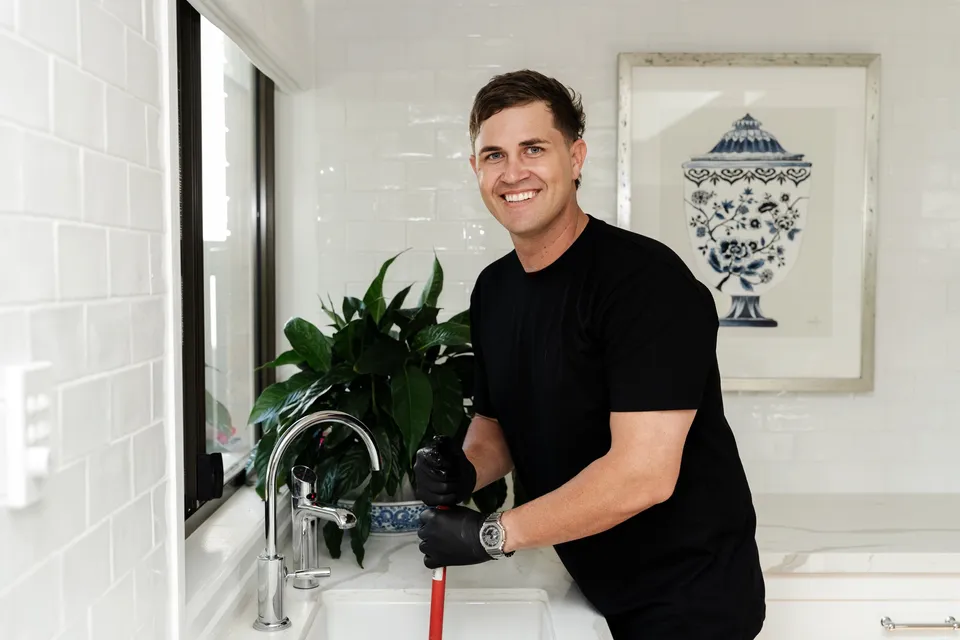
Tap Repairs
Spout drips, leaks around the handle or base, stiff spindles, tired cartridges. The tap repairs page goes deep on washer and mixer work.
From the first coffee to the last flush, every Geebung household works its taps and toilets harder than any other fixture, so tap and toilet repairs across Geebung fill a big slice of our week. A licensed plumber covers the lot: the washer tap dripping into the basin, the cistern that never stops, the mixer gone stiff, the pan rocking on its connector.
If we're late, $100 comes off your bill
The postwar housing sets the pattern. Many a 1950s house here has never had its supply lines renewed, so galvanised steel is still feeding the laundry and the basin. Internal scale chokes those lines long before any leak appears, so one weak tap among strong ones is the telltale.
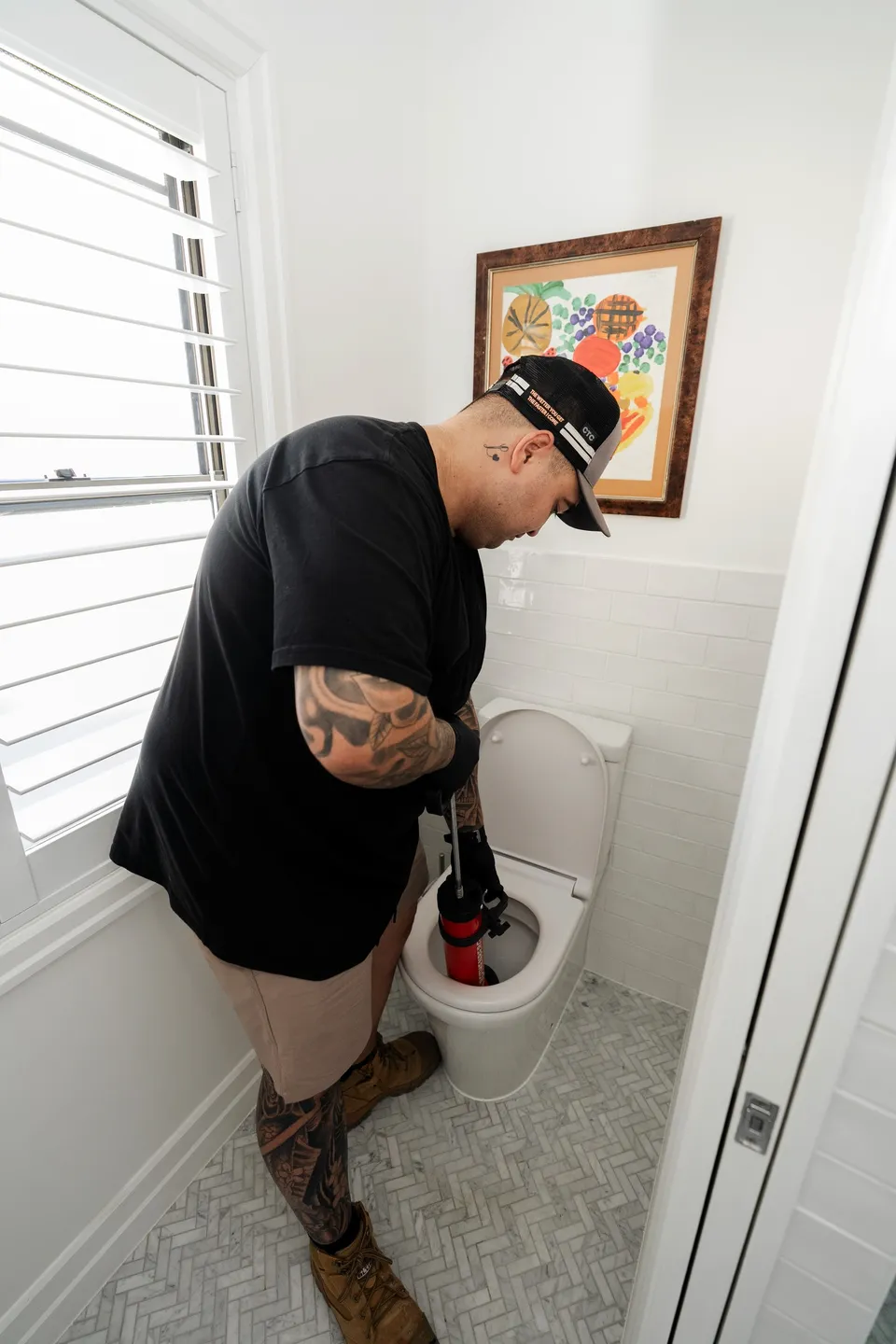
In most cases a drip, a running cistern or a slow fill is fixed by swapping a wearing part, and damage to the fixture's body is what tips the job into a replacement. A washer-style tap that drips usually wants a new washer or a dressed valve seat. A mixer leaking at the spout generally needs a fresh ceramic disc cartridge, and both stay repairs while the tap body remains sound.
Cisterns follow the same logic:
The Water Efficiency Labelling and Standards scheme, known as WELS, rates taps, toilets and showers for water efficiency, with stars and a water-use figure on the label. Products sold or installed in Australia have to be registered under it. Taps, toilets and cisterns also carry WaterMark certification, and that certification is what allows a licensed plumber to install them legally.
The flow limits matter most for landlords. Under Queensland tenancy rules, an owner charging a tenant for all the water has to meet flow limits first.
Basin, sink and laundry cold taps, mixers included, are capped at 9 litres per minute or below. The dual-flush toilet cannot top 6.5 litres for a full flush or 3.5 for a half, averaging 4 litres or less.
The tap cap covers indoor cold taps over a basin, a kitchen sink or a laundry trough. Baths, outdoor garden taps and the feeds to washing machines and dishwashers sit outside it.
New dwellings carry minimum star ratings under Queensland's sustainable housing rules: a dual-flush toilet at 4 stars or better, and every tap fitting and showerhead at 3 stars. Renovations are exempt from those minimums, handy to know before a reno near Bowden Park.

No. A concealed leak adjustment from the water utility covers hidden pipe leaks only. Taps and cisterns that waste water in plain view are excluded, so the owner wears the loss on the bill.
The meter explains why speed matters. Your meter records every drop, and a slow drip can waste thousands of litres over time. A running cistern is worse, because it loses water around the clock.
The pipes running from the meter to your fixtures are yours to maintain as the owner; the utility looks after the mains up to that box. A dripping tap at the Uniting Church on Simla Avenue reads on the water bill exactly like one in a bedroom ensuite. Neither earns a cent of adjustment, so both keep costing money until somebody fixes them.
The QBCC allows just a handful of small jobs to be done without a licence, and everything else on a tap or toilet goes to a licensed plumber. That handful covers the washer or jumper valve in a tap, and, in the cistern, the washers on the drop valve and float valve, plus the suction cup rubber. Those need no licence and no paperwork, but the result still needs to comply with the plumbing code.
Beyond that handful, the categories step up:
fixing or changing a fitting such as a tap or a toilet. A QBCC licensee handles it, no permit needed and no Form 4 lodged.
installing a new toilet or moving the one already there. Council permits do not apply; the plumber reports the job to the QBCC on a Form 4 within 10 business days.
Swapping a whole tap is licensed work in its own right, and the QBCC guide points to tap replacement as work outside the unregulated list. So a renter near St Kevin's on Newman Road may lawfully fit a washer, but the tap around it is our job.
Each of these has a page of its own, with the common faults and the fixes set out in detail.
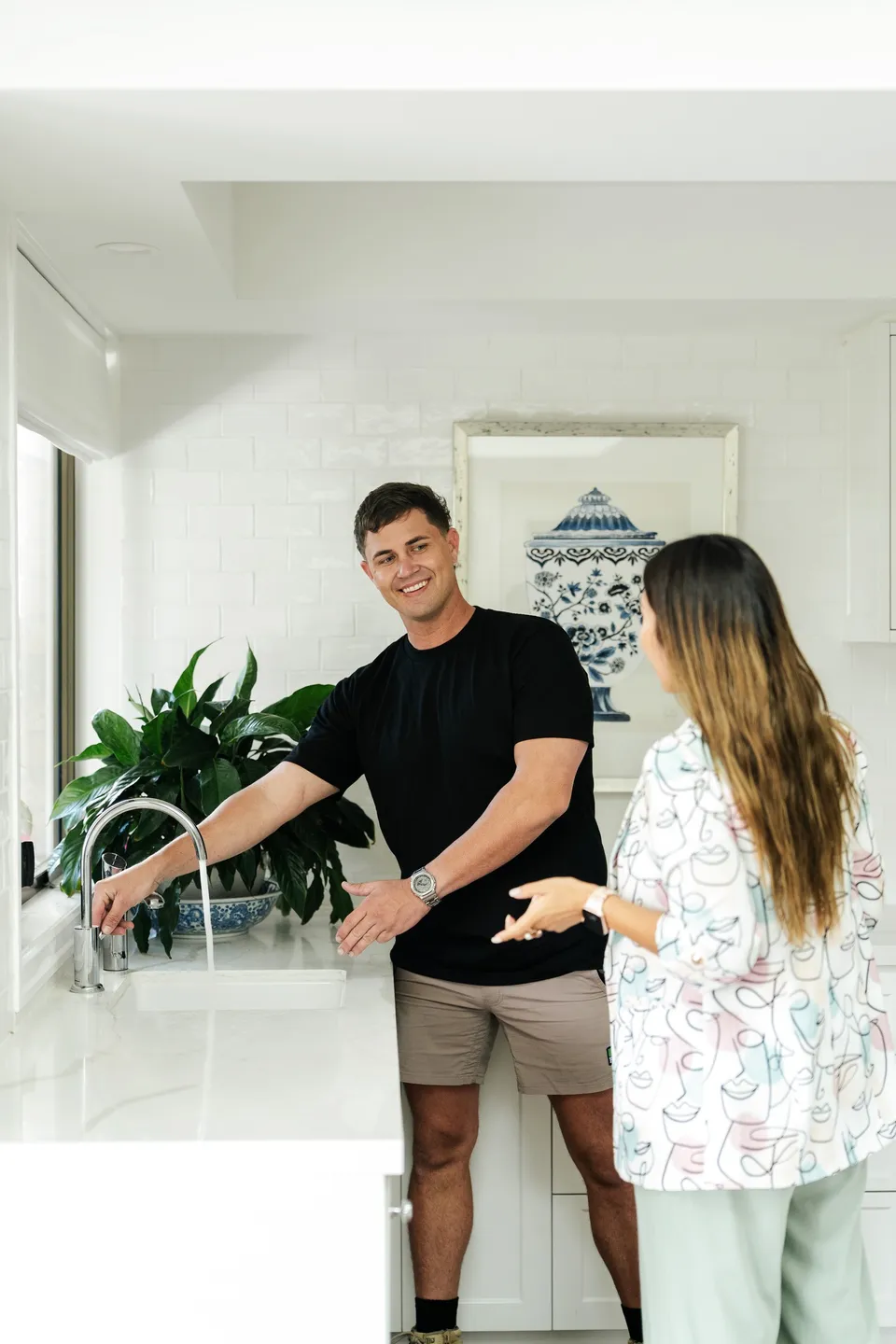
Spout drips, leaks around the handle or base, stiff spindles, tired cartridges. The tap repairs page goes deep on washer and mixer work.
Cisterns that run, weep or fill slowly; flushes with no punch; pans rocking on the connector. The toilet repairs page covers the valves and seals.
Cracked, corroded or simply worn out beyond a third visit: a new tap earns its keep. The tap replacement page covers picking a new one and having it fitted.
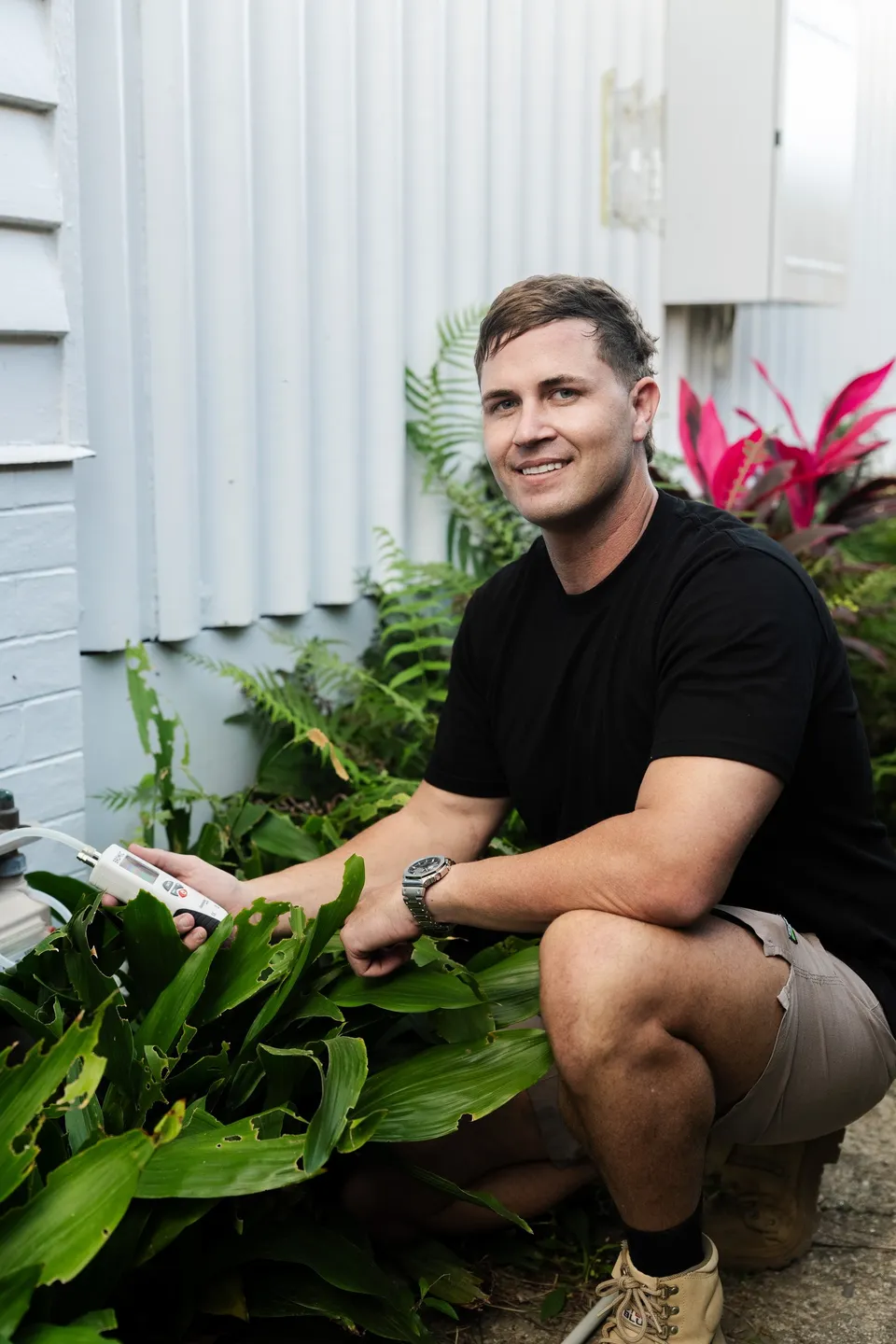
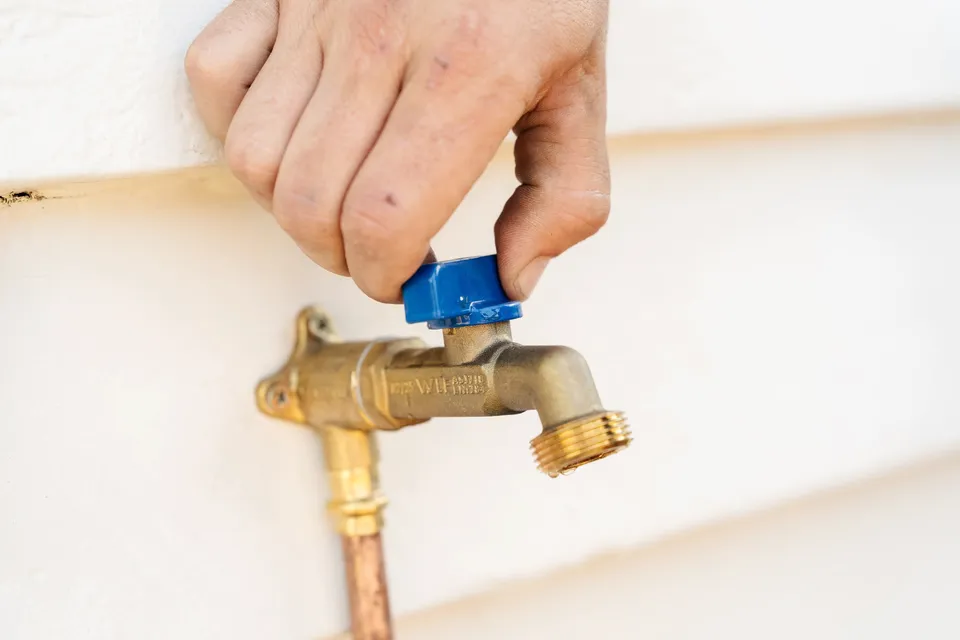
Garden taps, hose taps and the supply lines behind them, including the ones irrigation and washdown work punish hardest. The outdoor taps page has that side of the run.
$0 call-out fees, available 24/7, and same-day where we can.

Call (07) 3523 7172 or send the form with a few details about the problem in Geebung. A clear description helps us bring the right parts.
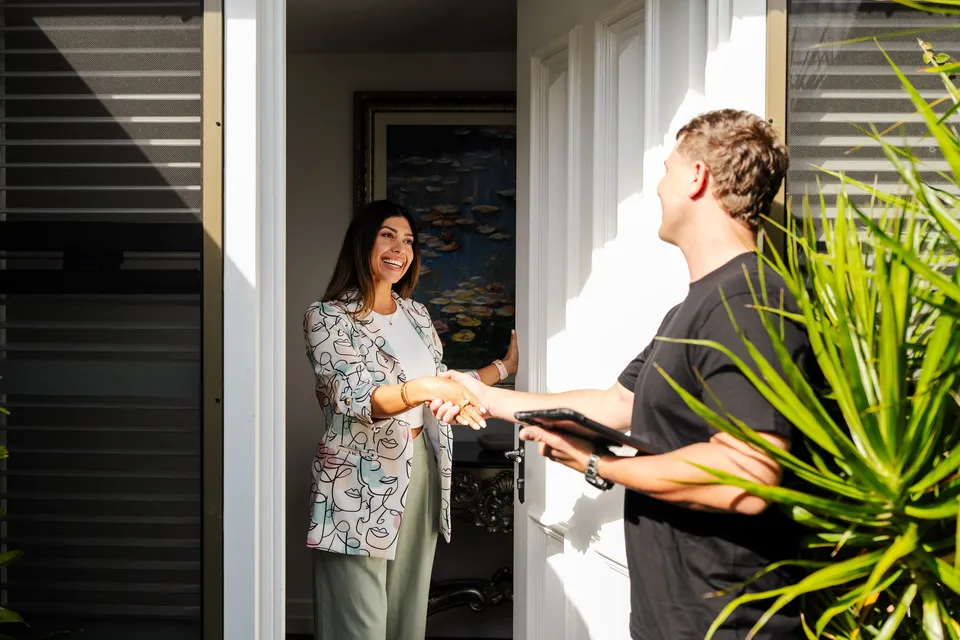
On a fixture job we isolate the tap or cistern, check the seat and valves, and tell you straight whether a worn part or a dying fixture is to blame. You see what we found before anything comes apart.
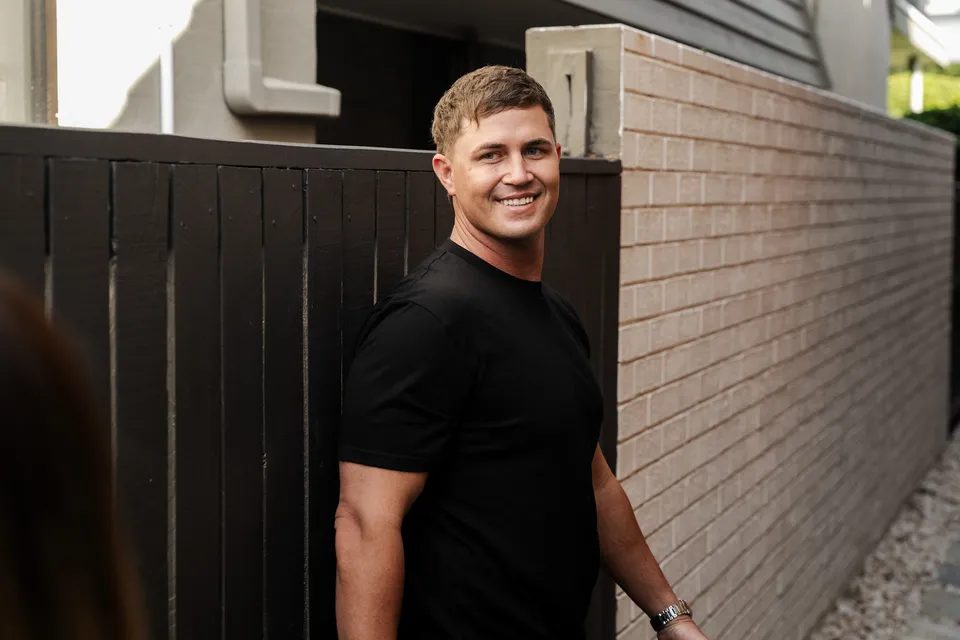
You get a fixed quote before any work starts, with flat-rate pricing and no hidden fees. Nothing goes ahead until you say yes.

Pay by card or EFTPOS on site once the job's done, or ask about Fix now, pay later.
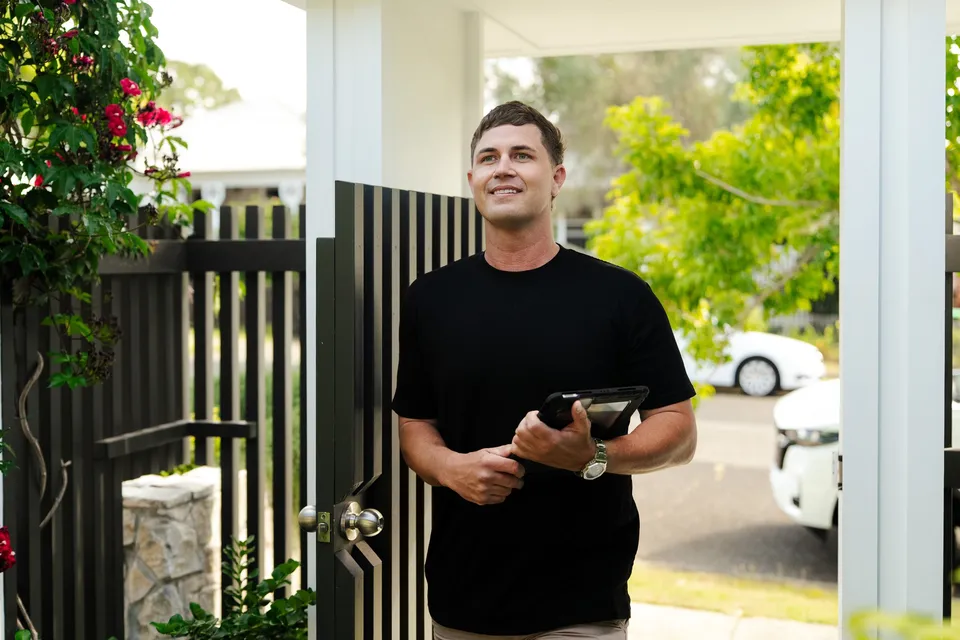
Expect $0 call-out fees in Geebung, plus no extra cost for nights, weekends or public holidays.
You'll have a fixed quote before any work starts, with flat-rate pricing and no hidden fees.
Our Fix-It-or-It's-Free guarantee (T&Cs apply) and lifetime labour warranty cover the work, and if we're late, $100 comes off your bill.
We're locally owned and operated and proud MPAQ members, and every job is done by a licensed plumber.
We handle the full range of everyday fixture faults: spout drips, handle and base leaks, cisterns that run, weep or fill slowly, weak flushes, and tired stop taps and connections. Our tap repairs and toilet repairs pages set out each job in detail.
Yes, but only for a narrow set of parts. The QBCC's unregulated list covers a tap's washer or jumper valve, plus the cistern's drop-valve and float-valve washers and the suction cup rubber. The result still needs to comply with the plumbing code, and replacing the whole fixture is licensed work.
Yes, replacing a tap is licensed work, and the QBCC guide names it as its own example of work beyond the list. Installing a new fixture such as a toilet is notifiable work, reported to the QBCC on a Form 4.
WELS labels a fixture with its star rating and water use so you can compare before you buy. More stars means less water for the same job. Toilets, cisterns and taps need WaterMark certification as well, and that's what a licensed plumber must see before a legal install.
Yes, before an owner can pass the whole water bill to a tenant. Indoor cold taps over basins, sinks and troughs, mixers included, must then run at 9 litres a minute or less. The dual-flush toilet cannot top 6.5 litres full flush or 3.5 half flush, averaging 4 litres or less.
Tenancy law puts the repair obligation on the owner or manager, and the tenant needs to report faults promptly. A blocked or broken toilet is classed as an emergency repair, so it cannot sit waiting for the next inspection.

Call (07) 3523 7172 to book a plumber in Geebung. We're available 24/7, with $0 call-out fees, flat-rate pricing and same-day where we can.
Current offers:
T&Cs apply. Mention this offer when booking.
To claim your $0 call-out fee, call (07) 3523 7172 today.